

Auto · 8 min read
Commercial Auto vs. Personal Auto for Business Vehicles
When a personal auto policy stops protecting a business vehicle, what commercial auto adds, and how small-business owners decide which one they need.
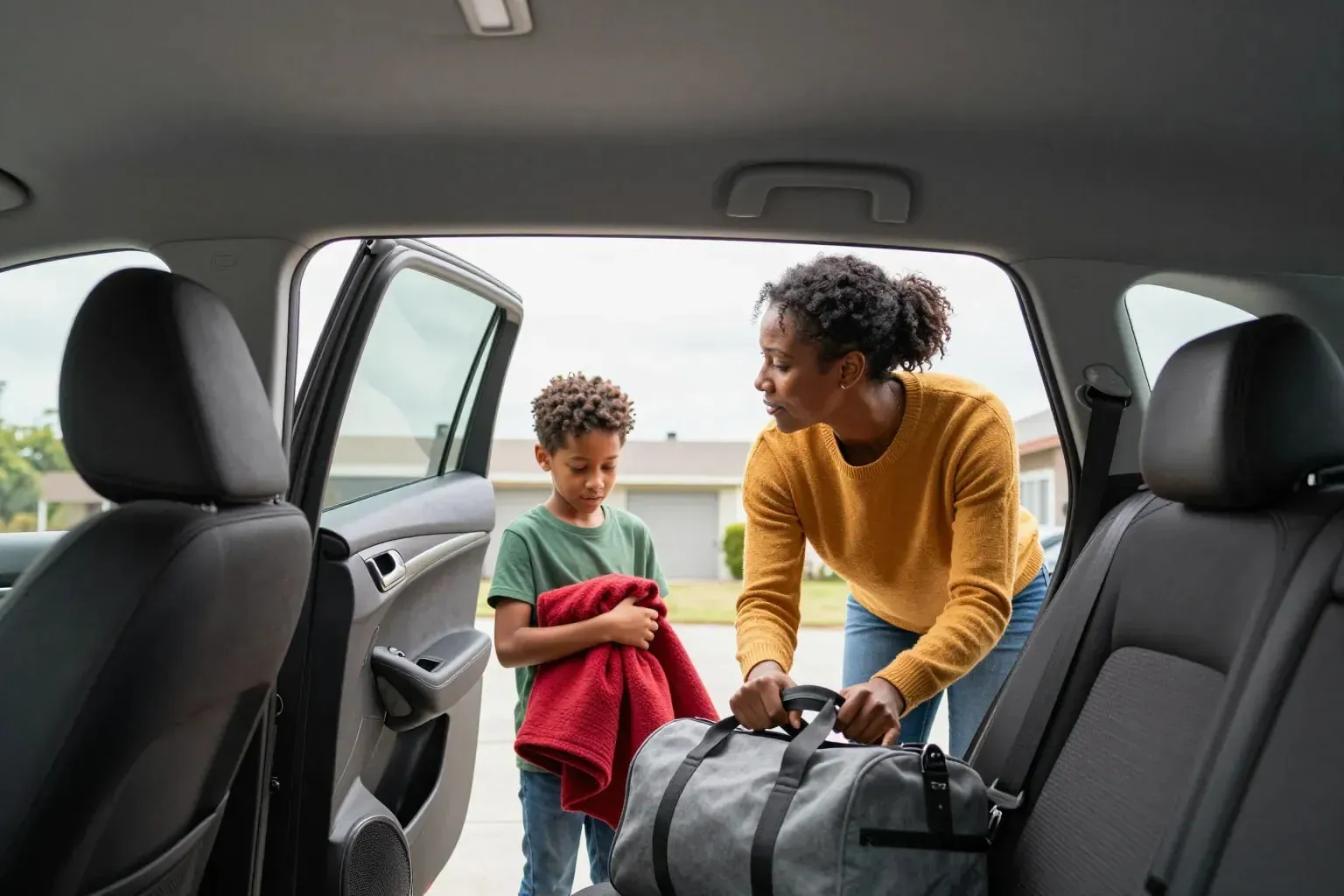
Most small-business owners don’t think of personal auto insurance as a business decision. It is. The car in your driveway probably makes a supply run, a bank deposit or a client visit every week, and your spouse or teenager may help out with errands when things get busy. Those trips sit right on the line between your personal policy and your business coverage, and that line is where claims get complicated.
This page covers personal auto for owners and their households: what a personal policy is built to do, when business errands are and aren’t covered, and how to set things up so an accident on a Tuesday afternoon doesn’t become a fight about who pays.
A personal auto policy is designed for vehicles you own personally and drive mostly for private purposes. For many owners, it’s the right home for the family cars, with some business use folded in. According to Triple-I’s guide for small businesses (opens in a new tab), a personal policy does cover some business use, but not always enough, and insurers may charge more for certain business use or decline it when the use is too risky.
A personal policy is usually the right fit when:
You likely need business coverage too when:
If several items on the second list sound familiar, start with our page on commercial auto and small fleets and our comparison of commercial auto vs. personal auto.
The table below shows common situations for owners and their families. Outcomes depend on your policy’s wording, your state and what you disclosed to the insurer, so treat it as a map for the conversation, not a ruling.
| Situation | Personal auto policy | What to add or check |
|---|---|---|
| You drive your own car to a client meeting or the bank | Often covered, if business use is disclosed and permitted | Confirm the insurer has your business mileage; business may want hired and non-owned coverage |
| Your car is titled to your LLC or corporation | Generally not covered | Move the vehicle to a commercial auto policy |
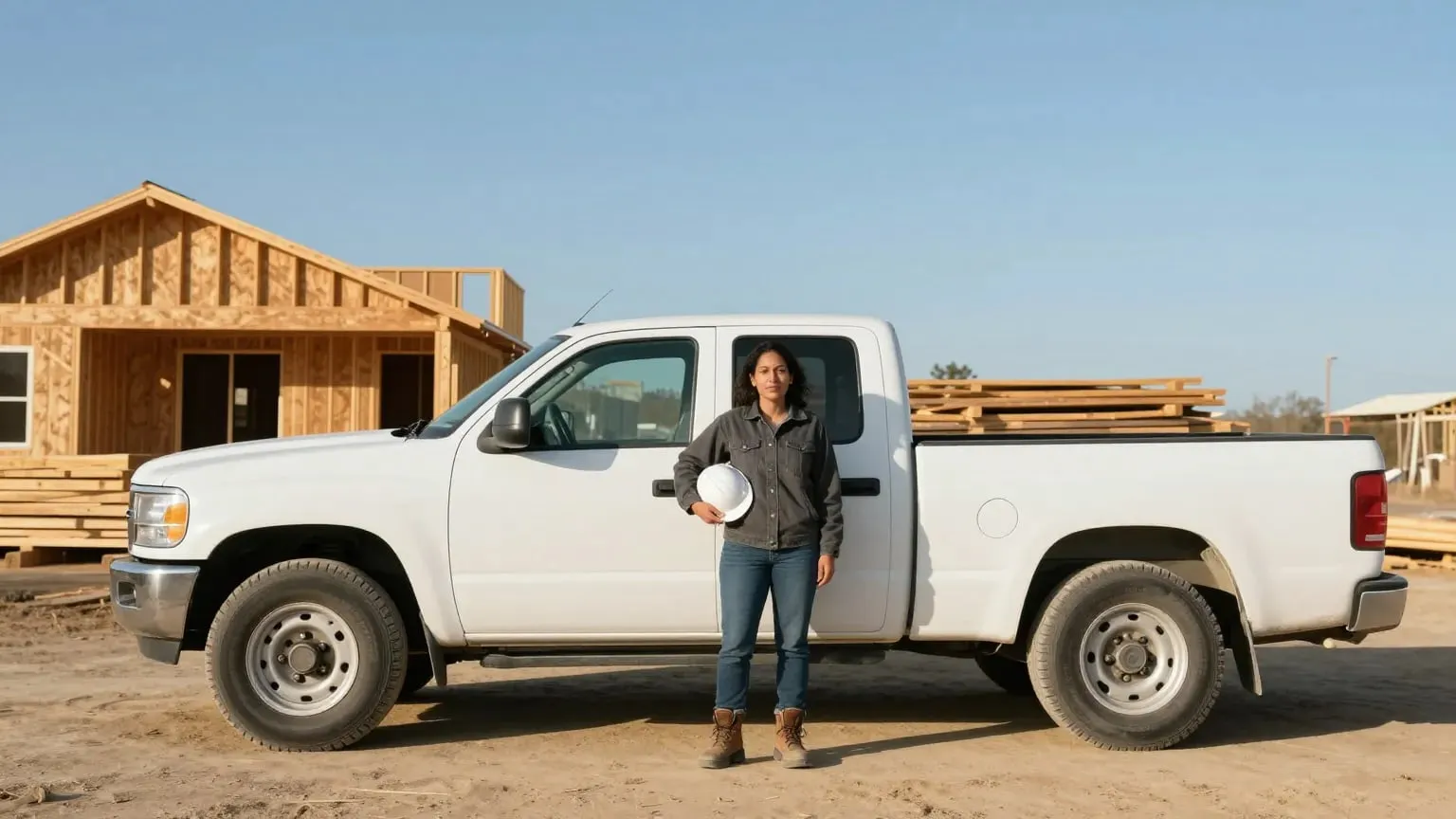
| You use your personal pickup every day for job sites | Coverage may be limited or excluded when use is mainly business | Talk to us about a commercial policy for that vehicle |
| You or a family member deliver products to customers regularly | Delivery and carrying goods for a fee are commonly excluded | Commercial coverage, or a delivery endorsement where offered |
| You drive for a ride-hailing or delivery app | Standard policies typically stop covering once you log in | Rideshare or delivery endorsement, plus the platform’s own coverage |
| An employee runs an errand for you in their own car | Their policy is typically primary | Business hired and non-owned auto; collect proof of their coverage |
| Your teen borrows the family car for a part-time job at your company | Commuting usually fine; business driving depends on the facts | List the teen; review limits; disclose any regular business driving |
| A serious accident on a business errand exceeds your auto limits | Personal umbrella typically excludes business activity | Commercial umbrella or excess coverage on the business side |
Two details worth underlining from Triple-I. First, your personal policy covers you, up to your limits, but it isn’t built to defend or pay claims against your company. If a claimant sues the business as well, the business needs its own coverage. Second, personal umbrella policies typically exclude claims from business activities, so the extra layer many owners count on may not be there for a work errand.
On ride-hailing and delivery apps, Triple-I’s Q&A (opens in a new tab) explains that personal policies are designed for private use and typically exclude livery and delivery for a fee. Coverage can stop from the moment you log into a ride-hailing app. Some insurers offer endorsements in certain states.
We won’t quote a price range on this page because premiums vary widely by state, insurer and household. These factors, drawn from Triple-I’s overview of auto rating (opens in a new tab) and our own process, drive the number:
Auto insurance doesn’t have an enrollment window like health insurance, but there are moments when your coverage should be revisited:
First conversation. We start by listening: how many vehicles, who drives, what the business does, and where personal and business driving overlap. If the conversation reveals business-owned vehicles or regular employee driving, we bring the commercial side into the same review.
Coverage map. We sort each vehicle and driver to the right policy and flag gaps, such as errands that a personal policy may exclude, a missing hired and non-owned auto layer, or an umbrella that won’t respond to business claims.
Quotes and recommendation. Our licensed agents compare options on matching coverages and limits and explain the trade-offs in plain language. We’ll tell you when a lower quote cuts something important.
Enrollment. We help you complete the application accurately, including business use and every household driver, because accuracy at the start is what protects you at claim time.
Annual review. Each year, and whenever your business changes, we revisit vehicles, drivers, limits and the fit with your business auto policy. If you have employees driving for you, our guide to employees driving company vehicles is a useful companion.
If you’re not sure where your personal policy stops and your business coverage starts, that’s exactly the conversation we’re built for. Book a free consultation with a licensed agent and we’ll review your household’s vehicles, drivers and business use together, with no cost to work with us.
It often covers some business use, such as driving your own car to a client meeting or the bank, but it depends on the policy wording and on what you told the insurer when you bought it. If the car is used mainly for business, or if you carry goods or people for a fee, coverage may not apply. Tell your insurer how you actually use the car and have an agent review the exclusions.
A personal auto policy generally won't cover a vehicle the business owns. Business-owned vehicles usually belong on a commercial auto policy. If you're thinking about moving a car into the company's name for tax reasons, talk to us before you change the title so coverage moves with it.
Not reliably. Your personal policy protects you up to its limits, but it isn't designed to defend or pay claims made against your business. Hired and non-owned auto coverage on the business side can respond as excess when a personal vehicle is used for company errands.
Usually not. Personal umbrella policies typically exclude claims arising from business activities. If you drive for the business, look at a commercial umbrella or excess policy alongside your commercial auto or hired and non-owned coverage.
Generally yes. Insurers expect every licensed driver in the household to be listed or formally excluded, and leaving someone off can lead to cancellation, nonrenewal or added premium if that person has an accident. Teen drivers usually raise the premium, so it's worth reviewing limits and discounts when they get licensed.
Occasional errands may be covered under your personal policy, but regular deliveries, especially for a fee, are commonly excluded. If a family member drives for the business regularly, the business should have commercial or hired and non-owned coverage, and that driver should be disclosed.
A standard personal policy typically stops covering you once you log into a ride-hailing app, and delivery for a fee is commonly excluded too. Some insurers offer a rideshare or delivery endorsement in certain states. Tell your insurer before you start.
State minimums are often low compared with what a serious accident can cost, and owners tend to have more assets to protect. The right limit depends on your assets, household drivers and how your business coverage is set up. We'll walk through the trade-offs rather than recommend a single number.
An employee's own policy is typically primary when they drive their own car on an errand for you, but your business can still be named in a claim. Requiring proof of their coverage each year and adding hired and non-owned auto coverage helps close that gap.
Last reviewed by the Bluegate Licensed Agent Team on October 19, 2026.
Important information
Auto insurance rates, discounts and coverage options vary by state, carrier, driver and vehicle, and all discounts are subject to eligibility. State minimum liability requirements differ; minimum limits may not fully protect you after a serious accident.
Plans, benefits and pricing vary by state and carrier. Quotes aren’t final until the carrier issues a policy.
Keep learning
Auto · 8 min read
When a personal auto policy stops protecting a business vehicle, what commercial auto adds, and how small-business owners decide which one they need.

Auto · 8 min read
How hired and non-owned auto coverage protects your business when employees drive their own cars or rented vehicles for work, and where its limits are.
Auto · 8 min read
What to have in place before employees drive company vehicles: coverage for business and personal use, a written vehicle policy and tax basics.

Book a consultation with a licensed Bluegate agent. We’ll compare group health, ICHRA and commercial auto options for your business side by side, at no cost to you.